The Chaos Lab: How to Make Ambient Music and Videos for Board Games
It’s official: I’m not just blogging anymore! My YouTube channel, Dicepool Ambience, is alive and kicking. For me, board gaming has no soul without the right atmosphere. I need the music and the visuals as much as Scrat needs his acorn in Ice Age—it’s an obsession. That’s why I started mastering how to make ambient music and immersive visuals tailored for tabletop sessions.
Many people think that in 2026, content creation is as simple as shouting at an AI: “Make me a video!” and calling it a day. Well… not even close.
If you do it that way, you get a soulless mess: people with six fingers, melting objects, or three-legged horses. While I use AI to speed up the workflow, I am the boss. I control the tools to bring my vision to life. Let me take you behind the scenes of the Chaos Kitchen to show you my secret process.
1. The Inspiration: Feeling the Game
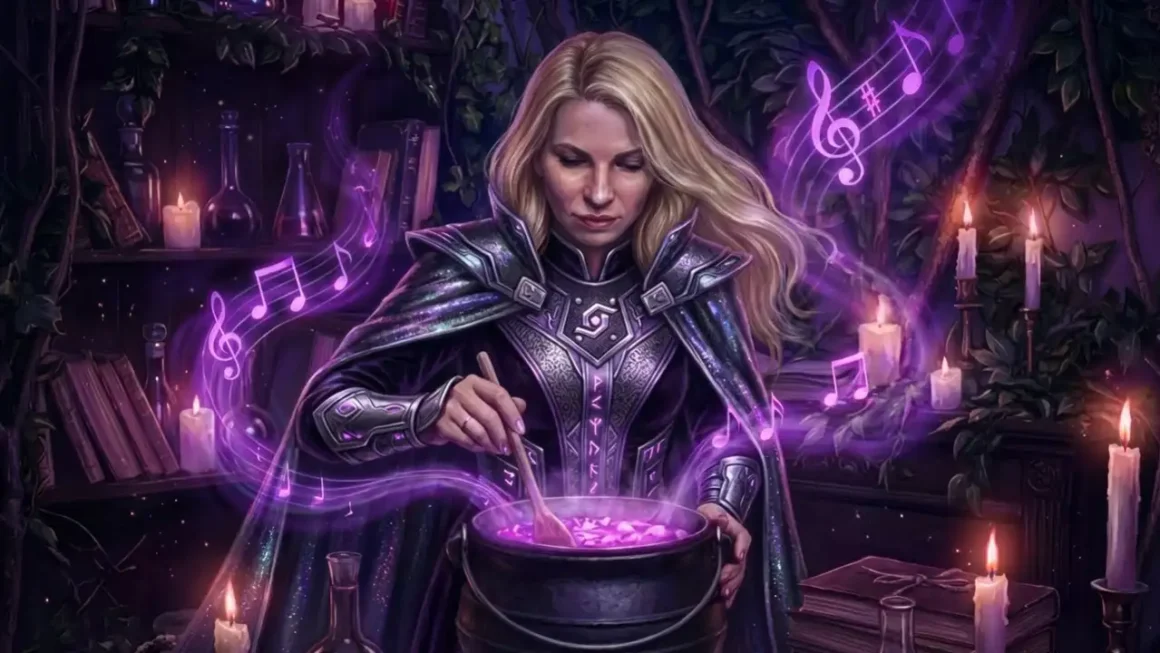
Everything starts with a board game. I don’t just generate random landscapes. When I pick up a game like Potion Explosion, I don’t just see tokens. I smell the magic lab, hear the bubbling cauldrons, and see the flickering lights. My goal is to convey the immersive feeling that the game triggers in me.
2. Visual Alchemy: Beyond the Single Layer
This is where the meticulous work begins:
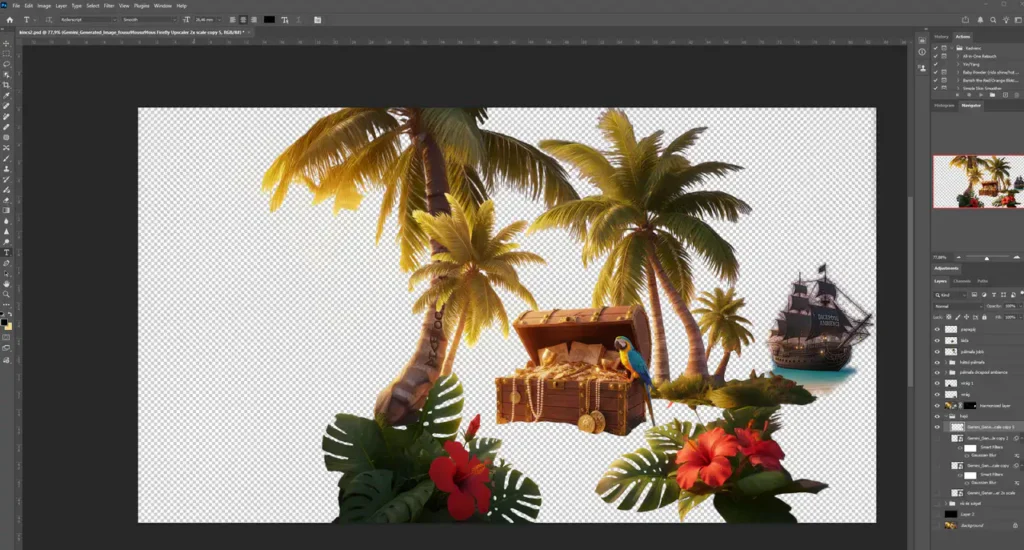
- The Skeleton: I use Gemini Nano Banana 2 to generate several base images.
- The Surgery: In Photoshop, I break the image into layers, fix AI errors, and cut out objects. This creates the depth needed for the parallax effect.
Life in the Pixels: If a cat needs to blink or a witch needs to stir an urn, I use Veo to animate those specific parts.
The Soul: I assemble everything in DP Animation Maker. No AI here—just me. I manually layer the smoke, floating dust, and magical glows. Every puff of smoke has its geometric place.
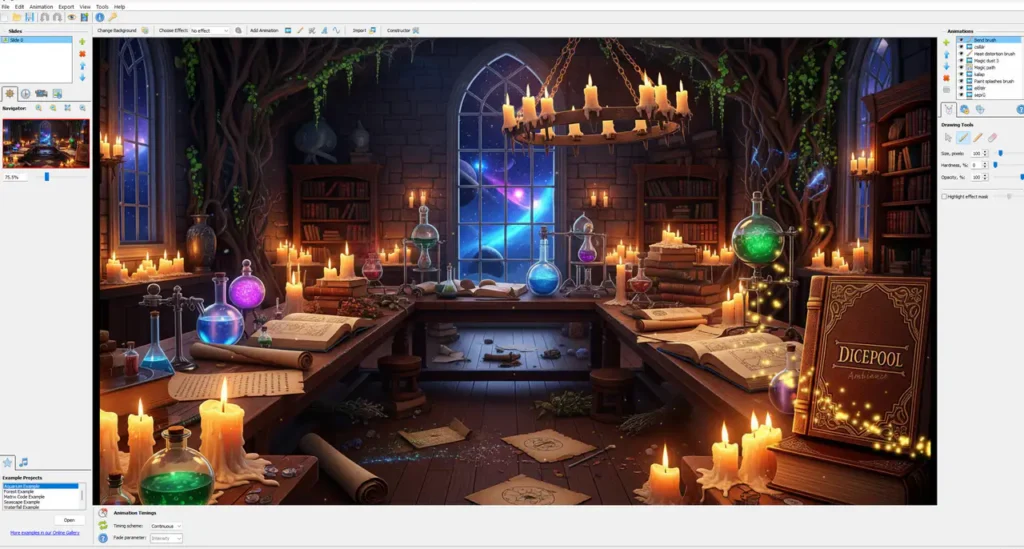
3. How to Make Ambient Music That Actually Fits
This is my favorite part, and the most critical. You can have beautiful visuals, but if the audio is off, the illusion shatters. When people ask how to make ambient music for high-stakes games, my answer is always: Layering and Authenticity.
I use Suno v5.5 to generate unique musical textures. Whether it’s 60s spy-jazz or deep dungeon drones, I never compromise. I avoid “tinny” or generic loops because how to make ambient music effectively depends on matching the music to the historical era and mood of the board game.
4. The Final Assembly in Filmora
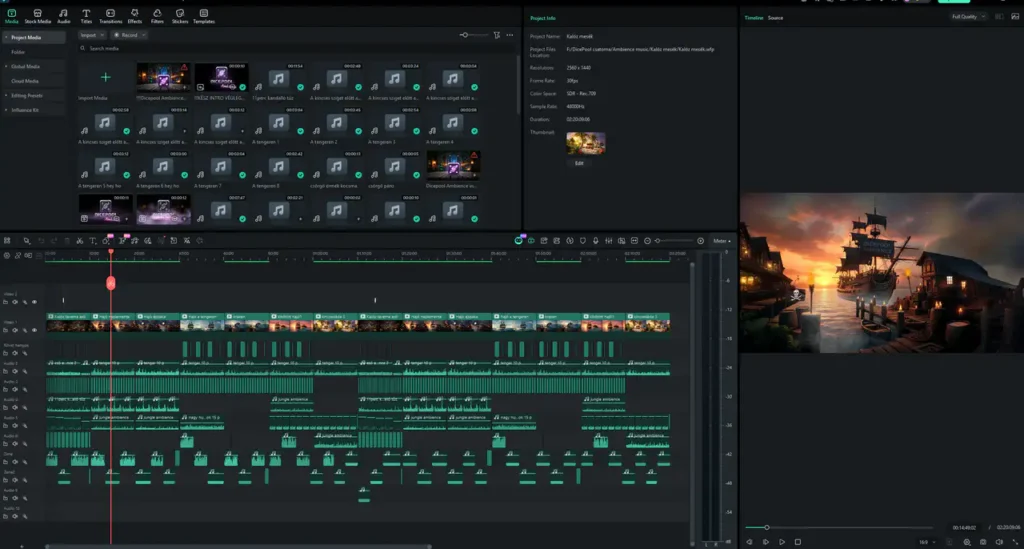
This is where the magic happens. In Filmora, I merge the DP Animation Maker scenes, the titles, the music, and the sound effects. I push the bitrate to the limit so that the “purple haze” stays a purple haze on YouTube, rather than a blocky pixel war.
The Bottom Line
So, that’s how the magic happens. Is it a lot of work? Yes. Would it be easier to cut corners? Maybe. But I am a Dice Magician, not a Dice Factory. Quality is my obsession, and Chaos is my best friend. If you want to see how to make ambient music and visuals work together, subscribe to the channel and let the atmosphere take over!
Dicepool Ambience

Psst! You there in the corner... Yes, You, the "Shady Stranger"! 🍺
I see you're eyeing the secrets of the Dicepool Tavern. Don't miss out on under-the-counter intel! Sign the Tavern's Guest Scroll to be the first to grab the fresh loot:
⚔️ New board game reviews.
🎶 Ambience scrolls (atmospheric music videos).
✨ Magical lore and tuning tips.
I promise to send only the best loot! 🛡️

You May Also Like
What Board Game Should I Buy? | How NOT to Collect Dust Gatherers
This is Sparta! Well, no… The Last Bastion Board Game Review